AI Trends & Future
Innovation
The Next Frontier of Digital Interaction in 2026
Nov 13, 2025
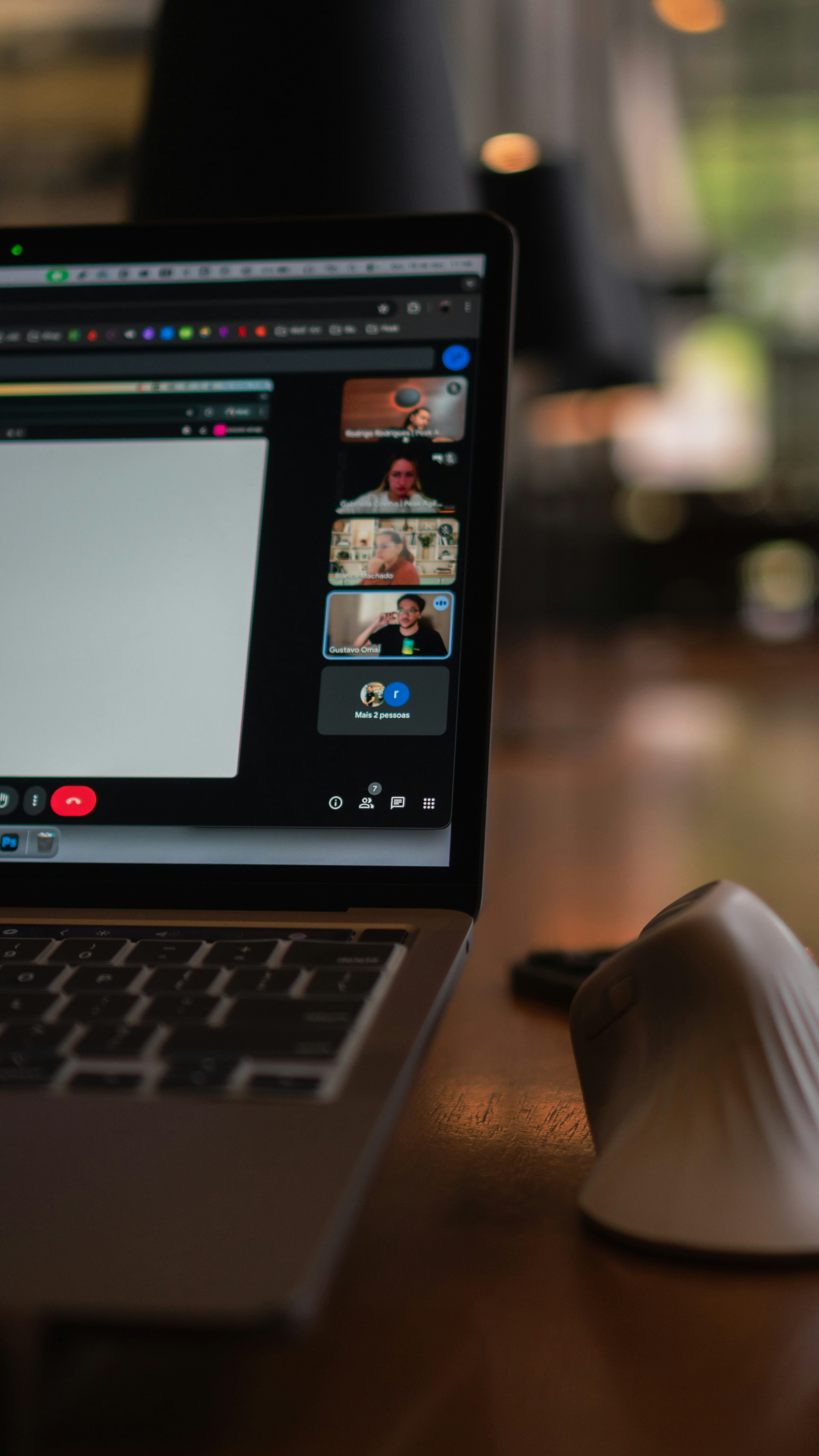
As 2026 unfolds, digital interaction is undergoing its most profound transformation yet. We are moving beyond screens, keyboards, and even touch interfaces into a world where technology anticipates intent, responds multimodally, and blends seamlessly with physical reality. The frontier is no longer defined by faster devices or better graphics—it is defined by how naturally and intuitively humans and machines converse, collaborate, and co-create.
Multimodal Interfaces Become the Norm
Voice, gesture, gaze, and thought are converging into fluid multimodal inputs. Devices no longer force users into a single mode of interaction.
In 2026, most premium laptops, tablets, and smartphones ship with advanced spatial audio microphones, eye-tracking cameras, and neural gesture sensors. Users switch effortlessly: dictating an email with voice, refining a slide deck by pointing and pinching in mid-air, or selecting text simply by looking at it. Large language models process these inputs in parallel, understanding context across modalities for more accurate, human-like responses.
Apple’s Vision Pro successors, Meta’s Orion glasses, and new entrants from Google and Samsung push spatial computing mainstream, making mixed-reality overlays part of everyday workflows.
Agentic Systems Take Center Stage
The biggest leap comes from agentic AI—systems that don’t just respond but act autonomously on behalf of users.
Personal agents manage calendars, triage emails, book travel, and even negotiate refunds by interfacing directly with services. Professional agents assist developers by writing, testing, and deploying code; help marketers generate and optimize campaigns; and support researchers by synthesizing papers and proposing experiments.
These agents operate across apps and platforms with user permission, learning individual preferences over time. Privacy-first design—on-device processing and encrypted delegation—addresses early concerns, building trust for wider adoption.
Spatial and Embodied Computing Redefine Presence
Remote collaboration evolves from flat video calls to shared 3D spaces. Teams meet as avatars in persistent virtual offices, manipulating shared whiteboards, 3D models, and data visualizations with natural hand movements.
Embodied interaction extends to robotics: home assistants gain dexterous arms for light tasks, while warehouse and healthcare robots accept high-level natural-language instructions from human supervisors.
Haptic feedback gloves and suits add touch to virtual experiences, enabling remote training, telemedicine examinations, and richer social connections.
Seamless Continuity Across Devices and Contexts
The “one device” era ends. Instead, experiences flow continuously across phones, watches, glasses, earbuds, cars, and home displays.
A task started on a morning commute via voice in AR glasses resumes on a laptop at the office, then continues on a wall projector during a meeting—all without manual transfer. Contextual awareness ensures the interface adapts: concise audio responses while driving, rich visuals when stationary.
Operating systems prioritize continuity over isolation, with open protocols allowing third-party devices to participate in the ecosystem.
Ethical and Inclusive Design as Core Requirements
With deeper integration comes greater responsibility. Leading companies embed principles of transparency, consent, and inclusivity from the ground up.
Bias mitigation in multimodal understanding improves accessibility for diverse accents, dialects, and physical abilities.
Clear visual and auditory indicators show when an agent is acting autonomously.
Digital well-being tools help users set boundaries for notifications and agent proactivity.
Regulations evolve in parallel, with updated frameworks in the EU, US, and Asia focusing on agency delegation and data minimization.
Looking Ahead
By the end of 2026, digital interaction will feel less like “using technology” and more like collaborating with an intelligent extension of ourselves. The frontier is not a single breakthrough device or model—it is the convergence of multimodal input, agentic capability, spatial presence, and seamless continuity.
Those who adapt early—individuals building agentic workflows, teams embracing spatial collaboration, and organizations redesigning experiences around human intent—will define how we work, create, and connect in the decade ahead.
The screen was yesterday’s interface. Tomorrow’s interface is you.